The deep causes of aging are complex and multifaceted, involving various biological, environmental, and lifestyle factcors. Here’s a detailed exploration:
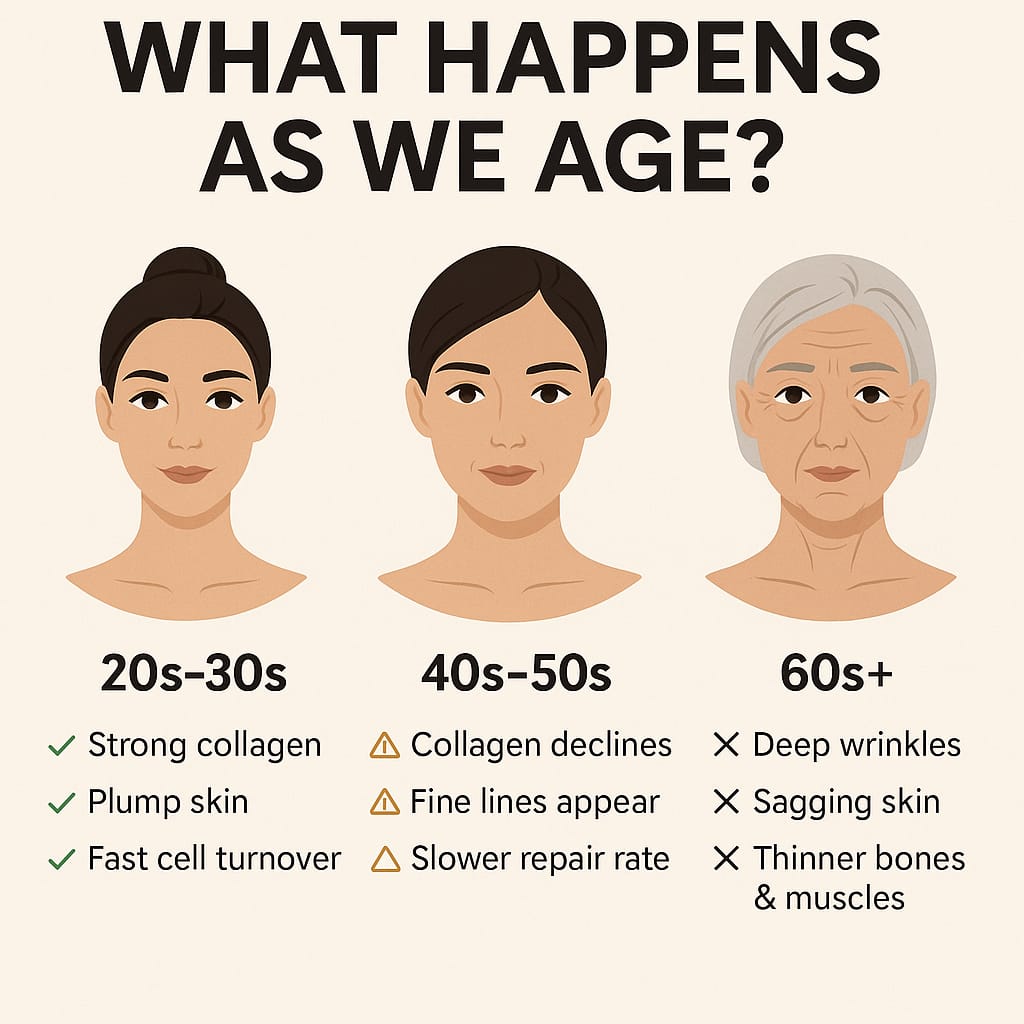
Biological Factors
- Telomere Shortening: Telomeres, the protective caps on chromosomes, shorten with each cell division, leading to cellular aging.
- Epigenetic Changes: Alterations in gene expression and DNA structure affect cellular function and contribute to aging.
- Mitochondrial Dysfunction: Mitochondria, the energy-producing structures within cells, become less efficient with age, leading to energy deficits.
- DNA Damage: Accumulation of DNA damage, including genetic mutations and epimutations, contributes to aging.
- Senescence: Cellular senescence, a state of cellular dormancy, can lead to inflammation and tissue damage.
Molecular Mechanisms
- Oxidative Stress: Imbalance between free radical production and antioxidant defenses leads to cellular damage.
- Inflammaging: Chronic, low-grade inflammation contributes to aging and age-related diseases.
- Proteostasis: Decline in protein folding and proteolysis leads to cellular dysfunction.
- Nutrient Sensing: Changes in nutrient sensing pathways affect aging and age-related diseases.

Lifestyle and Environmental Factors
- Diet: A diet high in processed foods, sugar, and unhealthy fats can accelerate aging.
- Stress: Chronic stress can lead to inflammation, oxidative stress, and cellular damage.
- Lack of Exercise: Sedentary lifestyle can contribute to aging and age-related diseases.
- Environmental Toxins: Exposure to environmental toxins, such as pesticides and heavy metals, can accelerate aging.
- Sleep Deprivation: Chronic sleep deprivation can lead to inflammation, oxidative stress, and cellular damage.
Other Factors
- Genetics: Genetic factors can influence aging and age-related diseases.
- Hormonal Changes: Hormonal fluctuations, such as those that occur during menopause or andropause, can contribute to aging.
- Gut Microbiome: Changes in the gut microbiome can affect aging and age-related diseases.
Potential Interventions
- Caloric Restriction: Caloric restriction has been shown to promote longevity in some studies.
- Exercise: Regular exercise can help maintain physical function and reduce age-related diseases.
- Stress Management: Stress-reducing activities, such as meditation and yoga, can help mitigate the effects of stress on aging.
- Healthy Diet: A balanced diet rich in fruits, vegetables, and whole grains can support healthy aging.
- Sleep Hygiene: Prioritizing sleep and maintaining good sleep hygiene can help support overall health and well-being.
By understanding the complex causes of aging, we can develop effective strategies to promote healthy aging and reduce the risk of age-related diseases.
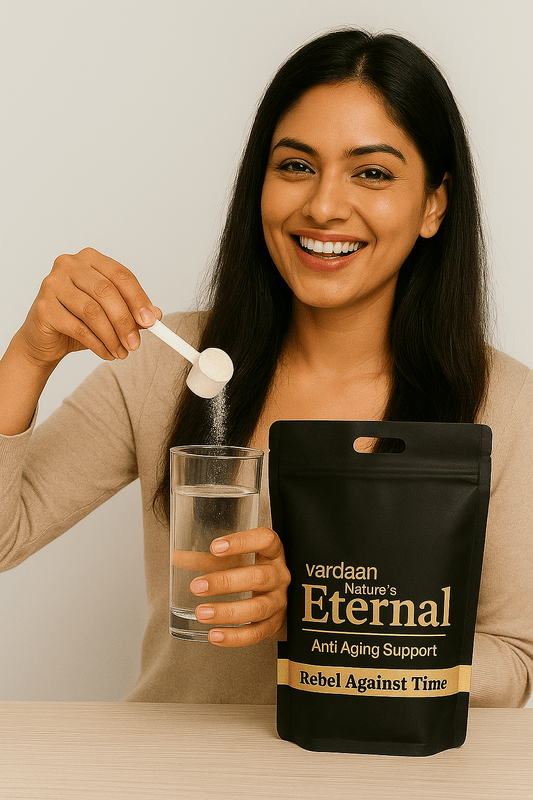
*Vardaan Nature’s Eternal Anti-Aging Support Powder + Kesar Ghee* is your daily combo for collagen support and age-well skin.
The *Eternal Powder* gives antioxidants + key nutrients that protect cells and actively support collagen synthesis for skin firmness. *Kesar Ghee* brings Vitamin A, E + saffron antioxidants that deeply nourish, improve elasticity, and restore natural glow.
Together they help reduce fine lines, boost skin hydration, and keep your skin looking youthful from within.